
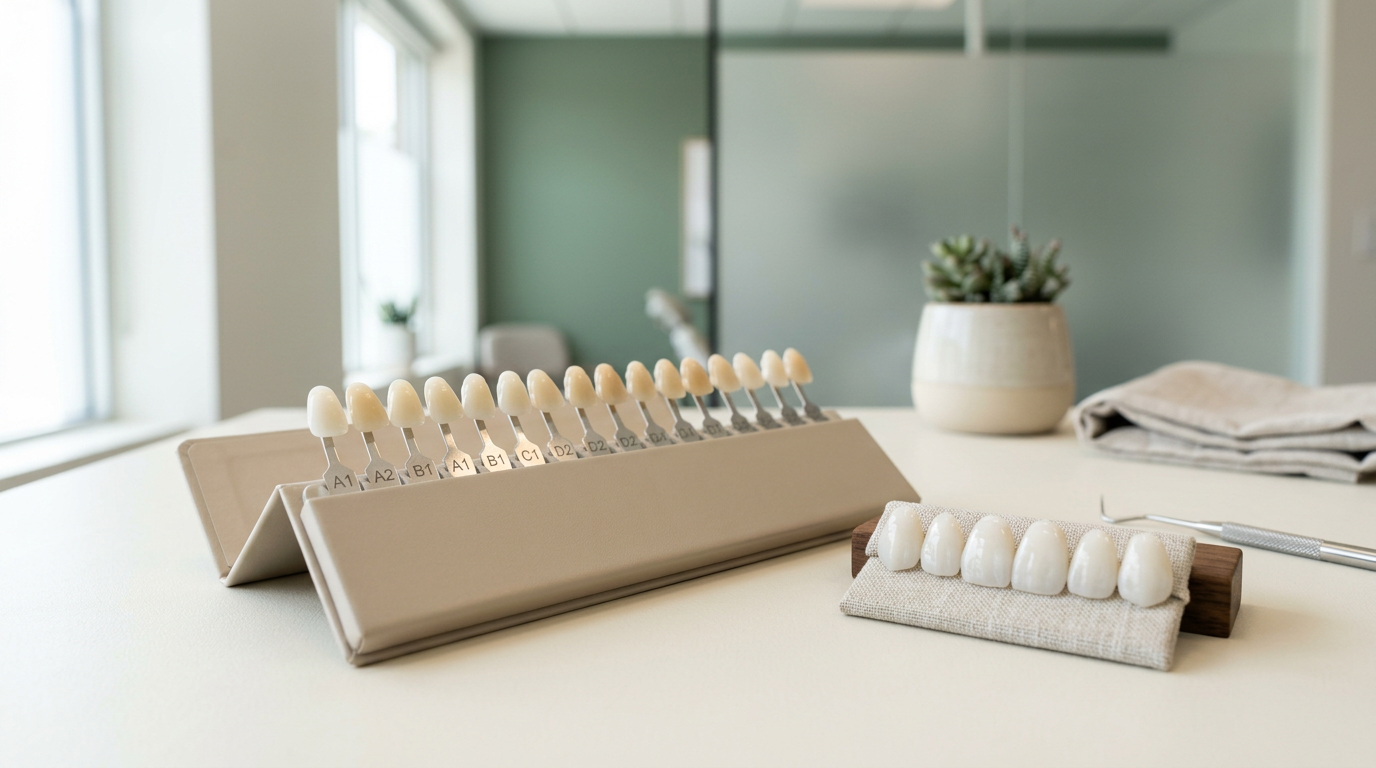
Dental veneers are designed to be durable, but there is no single lifespan that applies to every patient. Some remain in good condition for many years. Others may need attention sooner.
The difference comes down to several factors: the material used, how the veneers are prepared and bonded, your bite, and how much physical stress they face over time.
At Sopa Square Dental Clinic, we use zirconia for veneers because of its strength and resistance to chipping. But even a strong material needs proper care.
If you are considering veneers, or wondering whether yours are still in good shape, here is what you should know about how long they can last and what helps protect them.
What the Research Says About Veneer Lifespan
A 2021 systematic review published in the Journal of Clinical Medicine examined 6,500 porcelain veneers and reported an estimated survival rate of 95.5% at 10 years. Fracture and debonding were among the most common complications.
That is an encouraging finding, but it needs some context. The figure represents outcomes across clinical studies, not a guaranteed lifespan for an individual patient. It also relates to porcelain veneers and should not be treated as a direct prediction of how long zirconia veneers will last.
But here is something patients should understand: the longevity of veneers is not determined by the material alone.
Your bite, teeth-grinding habits, oral hygiene, and how you care for your veneers all play a role. The dentist's preparation and bonding techniques are equally important considerations.
In other words, veneers are designed to be durable, but their long-term success depends on a combination of appropriate materials, careful placement, and everyday maintenance.
Why We Use Zirconia Veneers
Not all dental veneers are made from the same material.
Traditional porcelain veneers have a long history of clinical use. Zirconia is another type of dental ceramic, known for its high strength and resistance to fracture.
At Sopa Square Dental Clinic, we use zirconia because of its strength and resistance to chipping. It allows us to offer a durable restorative material while considering each patient's individual dental needs.
However, a stronger material does not automatically mean a veneer will last longer.
How the veneer is fitted and bonded, the condition of the underlying tooth, and the forces placed on it during everyday activities all influence its performance.
Zirconia veneers can still chip, loosen, or require replacement. Choosing a strong material is an important starting point, but looking after it remains essential.
What Actually Affects How Long Veneers Last
Grinding and clenching
Grinding or clenching your teeth, especially during sleep, puts repetitive pressure on veneers. Over time, these forces can contribute to chipping, cracking, or problems with the bond between the veneer and the tooth.
For patients who grind or clench, a well-fitted night guard may help protect their veneers by reducing the impact of these forces.
If you wake up with a sore jaw, experience frequent headaches, or notice signs of tooth wear, mention it to your dentist. These can sometimes be signs of nighttime grinding.
Biting hard objects
Veneers cover the front surfaces of teeth. They are designed to function during normal eating, but they are not intended to withstand excessive or concentrated force.
Biting your nails, chewing ice, or using your teeth to open packaging can damage a veneer, regardless of how strong the material is.
Even habits that seem harmless, such as repeatedly biting pens or other hard objects, can place unnecessary stress on your teeth.
Being mindful of these habits is one of the simplest ways to reduce the risk of preventable veneer damage.
Gum health and oral hygiene
A veneer meets the natural tooth near the gum line. If gum disease develops and the tissue recedes, the edge where the veneer meets the tooth can become more visible.
Recession can affect the appearance of a veneer, while plaque accumulation around its margins can increase the risk of decay in the underlying natural tooth.
Consistent brushing, daily flossing, and regular professional cleanings help maintain the health of the teeth and gums supporting your veneers.
Healthy gums are part of what keeps veneers looking and functioning well.
Original preparation and bonding
How veneers are prepared and placed at the outset matters.
The dentist must consider the amount of natural tooth structure available, the shape and position of the teeth, how the upper and lower teeth meet, and the bonding requirements of the selected material.
A properly fitted veneer with an appropriate bonding technique has a better foundation for long-term success.
This is particularly relevant with zirconia, which requires specific surface treatment and bonding protocols.
Careful planning and placement help reduce the risk of complications, although no technique can completely eliminate them.
Signs Your Veneers May Need Attention
You do not need to wait for a veneer to visibly break before having it looked at. These are worth discussing with your dentist:
- A visible chip or crack on the veneer surface
- A veneer that feels loose or moves
- New sensitivity in a tooth that was not sensitive before
- Dark lines or discoloration at the edge where the veneer meets the gum
- Gum recession that exposes the veneer margin
- A noticeable change in how your bite feels
None of these signs automatically means a veneer has failed. But each one deserves an assessment.
For example, a dark line near the gum may be caused by staining or an exposed margin rather than decay. Similarly, new sensitivity can have several causes that need to be investigated.
Identifying a problem early may allow for a more conservative solution and help prevent further damage.
If a veneer becomes loose or breaks, avoid chewing on it and contact your dentist rather than attempting to repair or reattach it yourself.
Can Veneers Be Repaired, or Do They Always Need Replacing?
Not every damaged veneer needs to be replaced.
Minor surface imperfections or small chips may sometimes be smoothed or polished, depending on the material and the extent of the damage.
A veneer that has come loose may occasionally be rebonded if it remains intact and the underlying tooth is suitable. However, successful rebonding depends on several factors, including the material, the condition of the veneer, and why the original bond failed.
More significant fractures, repeated debonding, decay around the margins, or changes affecting the fit of the veneer may make replacement the more appropriate option.
Zirconia also has specific bonding and repair considerations, so the available treatment options may differ from those for traditional porcelain veneers.
The important point is that damage does not always mean starting over.
A dental examination can help determine whether the existing veneer can be maintained, repaired, or should be replaced.
How to Get the Most Out of Your Veneers
Good maintenance plays an important role in how well veneers hold up over time.
A few consistent habits can help protect both the veneers and the natural teeth supporting them.
- Wear a night guard if recommended. If you grind or clench your teeth, a professionally fitted night guard may help reduce excessive forces on your veneers.
- Avoid biting hard objects. Do not use your front teeth to crack nuts, chew ice, open packaging, or bite other hard objects.
- Brush twice daily. Use a soft-bristled toothbrush and a non-abrasive fluoride toothpaste to clean your teeth and around the veneer margins.
- Floss daily. Cleaning between your teeth helps control plaque and maintain healthy gums around your veneers.
- Keep up with professional cleanings and dental check-ups. Regular visits allow your dentist to assess the veneers, surrounding gums, natural teeth, and any changes in your bite.
Veneers are not a set-and-forget solution.
Even if they look and feel perfectly fine, their condition should be assessed during routine dental visits. Small changes in the bite, gum recession, or wear elsewhere in the mouth can affect how veneers function.
Consistent care cannot guarantee a particular lifespan, but it can help reduce avoidable problems.
Frequently Asked Questions
How many years do dental veneers last?
There is no guaranteed lifespan for dental veneers. Their longevity varies depending on the material, the condition of the underlying teeth, the quality of placement, your bite, and how well they are maintained. Regular dental assessments can help monitor their condition and identify potential problems early.
What shortens veneer lifespan the most?
Several factors can contribute to premature veneer damage, including teeth grinding, clenching, biting hard objects, poor oral hygiene, and problems with the bite or bonding. The most significant risk factors differ from patient to patient.
Are zirconia veneers stronger than porcelain veneers?
Zirconia is known for its high mechanical strength and resistance to fracture. However, material strength alone does not guarantee a longer veneer lifespan. The way veneers are prepared, bonded, and maintained also plays an important role.
Can veneers last longer with proper care?
Good oral hygiene, avoiding excessive biting forces, wearing a night guard when recommended, and attending regular dental check-ups can help protect veneers. However, even well-maintained veneers may eventually need repair or replacement.
Does veneer lifespan differ between upper and lower teeth?
It can. The forces placed on veneers depend on how your upper and lower teeth come together, whether you grind or clench, and the position of the veneers. Your dentist can assess your individual bite and identify areas that may be exposed to greater stress.
Protecting Your Veneers Starts With Good Care
The material used to make a veneer matters, but it is only part of the picture.
How your veneers are placed, how your teeth come together, and the habits you maintain over time can all influence their condition.
At Sopa Square Dental Clinic, we believe patients should understand both the benefits and the limitations of their dental treatments. Our goal is to help you make informed decisions and maintain your oral health for years to come.
If you are thinking about veneers or would like a check-up on existing ones, our team is happy to help. Book a consultation with us and we can walk you through your options, honestly and without pressure.